Blog
Quest Therapeutic Camps of Southern California
3 Tips to Help Kids Finish the School Year Strong
3 Tips to Help Kids Finish the School Year Strong 3 Tips to Help Kids Finish the School Year Strong This month I wanted to focus the newsletter on how to finish the school year strong since several of the kids I know (and my teacher friends) have been discussing...

3 Strategies to Increase Social Re-Engagement Behaviors in Children
3 Strategies to Increase Social Re-Engagement Behaviors in Children 3 Strategies to Increase Social Re-Engagement Behaviors in Children This month I wanted to focus the newsletter on a concern I hear from many parents and teachers regarding how children with previous...

Impact of Positive and Negative Thinking on Child Outcomes
Impact of Positive and Negative Thinking on Child Outcomes Impact of Positive and Negative Thinking on Child Outcomes This month I wanted to focus the newsletter on positive versus negative thinking since this area has been on my mind and in my heart a lot as kids...

Reflections vs Resolutions
Reflections vs Resolutions While many people are focusing on New Years Resolutions this week, it felt more consistent with my current mood to focus on what I would like to reflect on to celebrate. The reality is that most people have had more adversity and challenges...
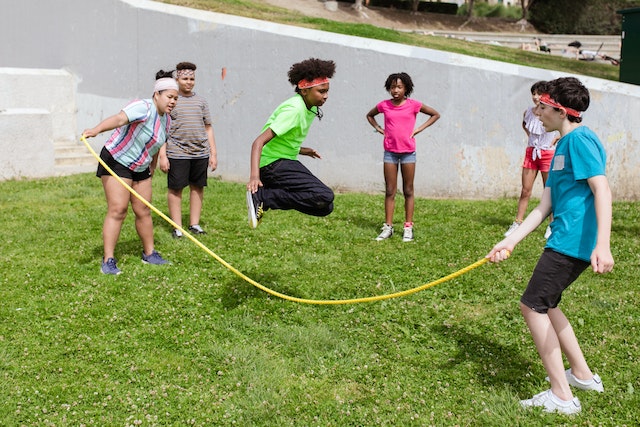
As We Enter Into Our 15th Summer Season…
As We Enter Into Our 15th Summer Season… I am filled with gratitude and positive memories. I continue to feel that it is such a tremendous honor and privilege that we have been able to serve so many amazing children and their families over the years as parents have...

Five Tips to Help Families to Have an Amazing Summer
Five Tips to Help Families to Have an Amazing Summer Having fun and transformative summers is something that I have focused on a ton in the last 14 years since directing Quest Therapeutic Camps of Southern CA. I can tell you that I find that summer is always better...

About Quest
Get in Touch!
Interested in learning more about Quest?
Phone
Fax
(562) 493-1684
Office
5212 Katella Ave. #104
Los Alamitos, CA 90720
ABOUT QUEST
Quest is a unique, evidence-based program that combines recreational activities, behavioral milieu and group psychotherapy. We welcome kids, ages 6 to 18, with mild to moderate social, emotional and/or behavioral difficulties. We are proudly accredited by the American Camp Association!
FOLLOW US
ABOUT US
LOCATION & PRICING
GALLERY

© 2019 Quest Therapeutic Camps of Southern California.
All rights reserved. | Terms & Conditions.